


Introduction
A hydraulic hand pump is simple by design, which is exactly why it’s easy to ignore the early signs of wear until the pump fails at the worst possible moment. Knowing what to watch for, and whether the fix is a repair or a full replacement, keeps equipment reliable and keeps operators safe.How a Hydraulic Hand Pump Works?
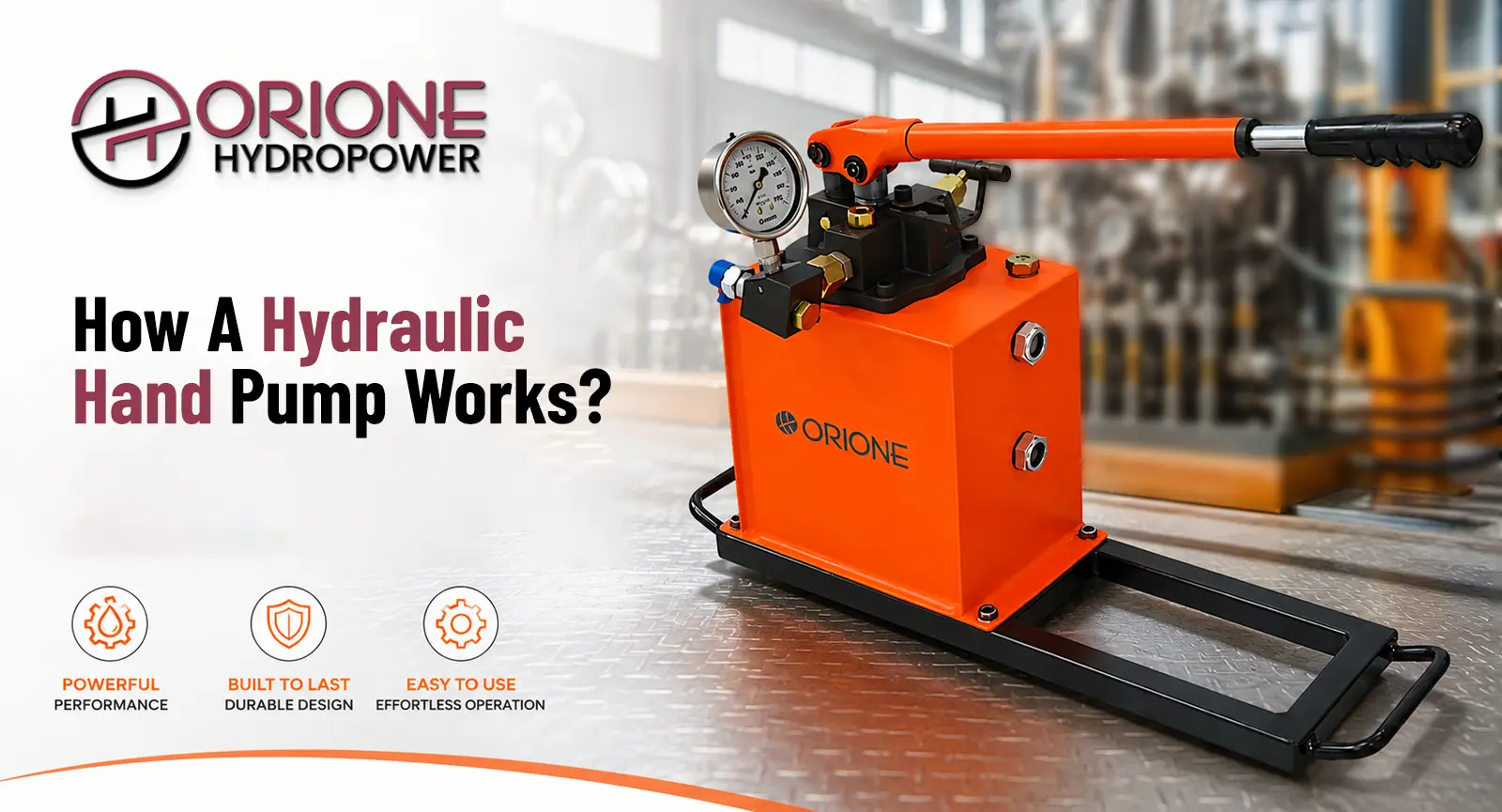 A hydraulic hand pump generates fluid flow manually, using a piston plunger assembly to build pressure with each stroke of the handle. That pressure powers connected jacks, presses, or pullers. Single-acting pumps generate force only on the downstroke; double-acting pumps generate force on both strokes, which is why they move faster under load. Because the system depends on tight seals and precise internal components, even small wear shows up quickly as a change in performance.
 Signs the Pump Needs Repair
Most early problems with a hydraulic hand pump are repairable if caught before they get worse:- Spongy or inconsistent pressure – usually caused by air trapped in the hydraulic system rather than a major component failure. Bleeding the system often resolves this.
- More effort per stroke – If you suddenly find you need a lot more strokes, or a lot more force, to get to the same pressure, worn internal seals or a failing check valve are the usual culprits.
- Small seepage around fittings – a little bit of liquid at a connection point often just needs a tightened fitting or an O-ring replaced, not a total pump rebuild.
- Slow pressure release – If the pressure doesn’t release smoothly from the pump when the release valve is opened, this usually indicates a sticking or worn release mechanism that can be serviced.
- Handle feels loose or catches during the stroke – often a sign of wear at the pivot points or linkage, which is typically a straightforward mechanical fix.
Signs the Pump Needs Replacement, Not Repair
Some problems go beyond what a repair can reliably fix, especially where safety is involved:- Persistent leaking that returns after servicing – if seals have been replaced and the pump still leaks, it often means the pump body, plunger, or cylinder bore itself is damaged or worn beyond tolerance.
- Cracks or visible damage to the pump body – a cracked housing is a structural failure, and no seal replacement fixes that. This is a safety issue, not a maintenance one.
- Pump won’t hold pressure at all – if the pump builds pressure but drops it immediately once you stop pumping, and this continues after a full service, internal wear has likely gone past the point of repair.
- Corroded or pitted internal surfaces – corrosion inside the pump body or on the plunger surface creates permanent leak paths that seals can’t fully seat against, regardless of how many times they’re replaced.
- Age and duty cycle – a pump that has been in heavy, continuous service for many years and is now failing repeatedly, even after repairs, is often more cost-effective to replace than to keep servicing.
How to Extend the Life of a Hydraulic Hand Pump?
A few habits go a long way toward avoiding early repair or replacement altogether:- Keep the hydraulic fluid clean – contaminated fluid is one of the most common causes of internal wear and seal damage.
- Check fluid levels regularly – running low on fluid draws air into the system, which leads to the spongy pressure issue covered earlier.
- Store the pump properly – exposure to moisture and dust accelerates corrosion and wear on internal components.
- Avoid exceeding rated pressure – pushing a pump beyond its factory-set safety relief valve rating stresses seals and internal components well beyond their design life.
